





Home
Category (en-GB)
- Details
- Written by: УМ
- Parent Category: Kosovo and Metohija
- Category: Pristina
- Hits: 3
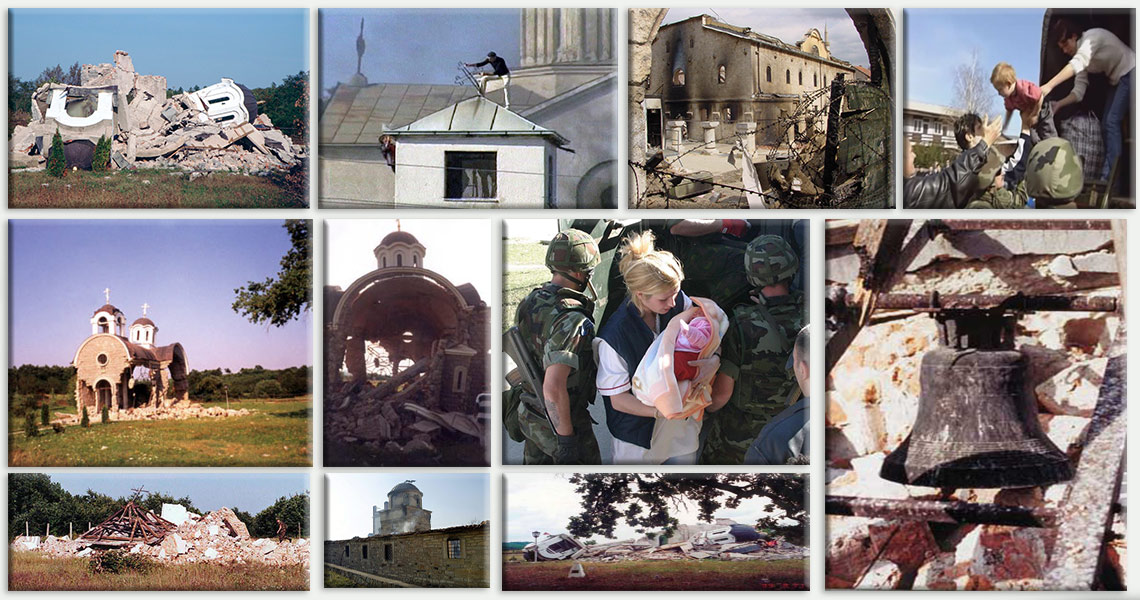
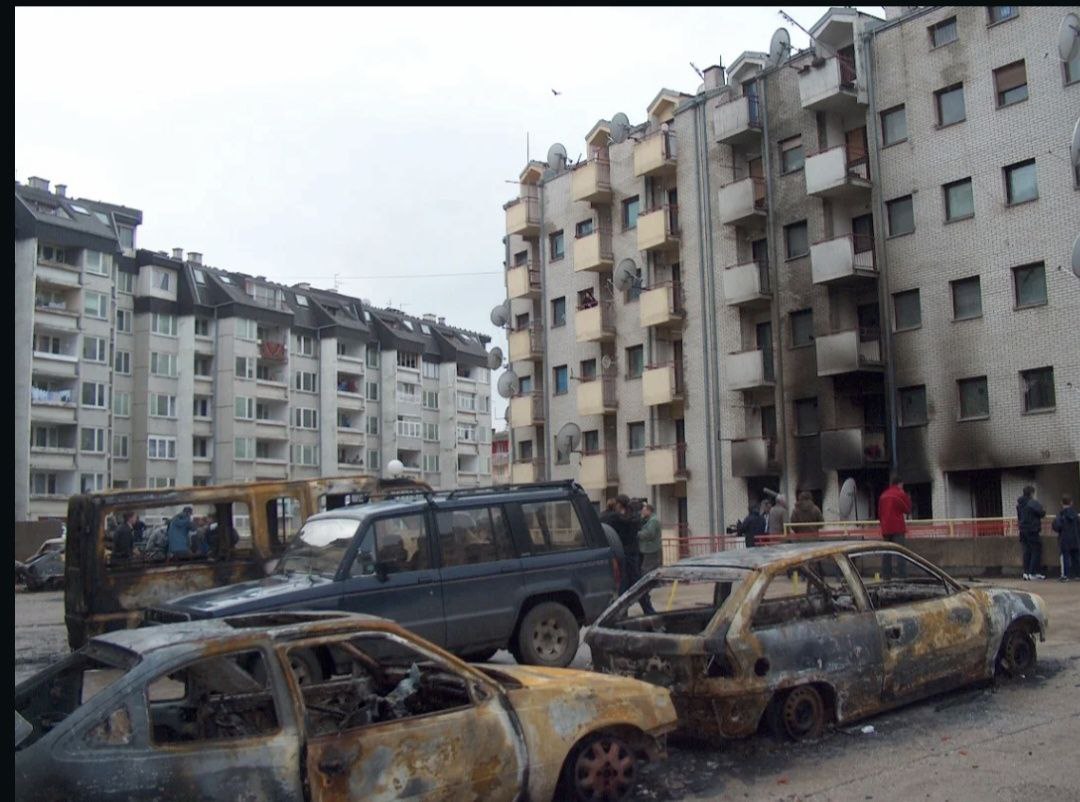 During the violence on March 17 and 18, 2004, in Pristina and across Kosovo, массов attacks broke out against the Serbian population, their homes, and religious buildings. Houses were destroyed, vehicles were set on fire, and many people were expelled. Among the damaged sites was the Church of St. Nicholas in Pristina, which suffered severe destruction, along with cultural and religious heritage. This event left deep consequences for the Serbian community in Kosovo. Once a city with a large Serbian population, today it is described as an ethnically cleansed city. Albanians set fire to and looted Serbian homes and cars.
Read more: Suffering of Serbs in Pristina during the March Pogrom of 2004
- Details
- Written by: УМ
- Parent Category: Croatia
- Category: Zupanja
- Hits: 8
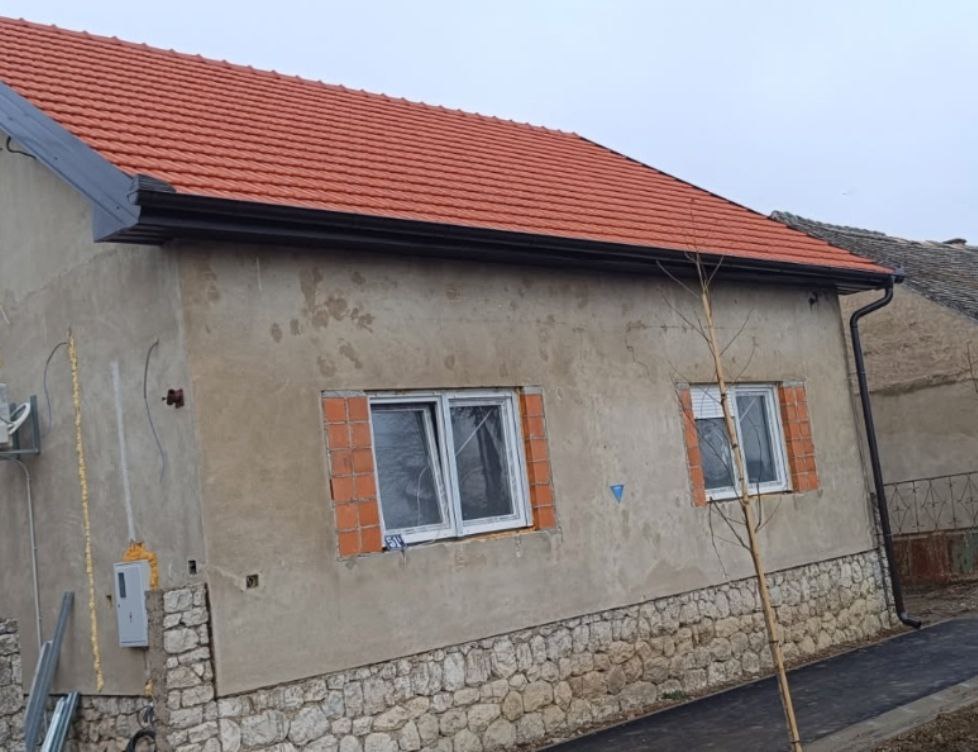
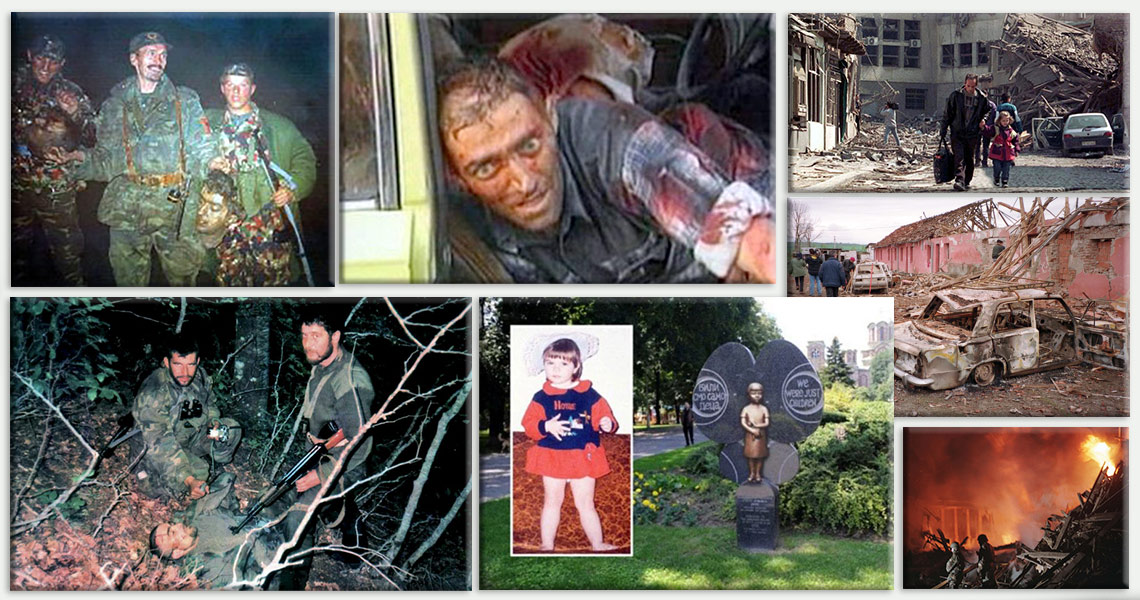
The murder of the Serbian Olujić family occurred on the night between February 17 and 18, 1992, in the village of Cerna near Županja in Croatia. Radomir Olujić (38), his wife Anica (37), and their minor children Milena (16) and Marko (13) were killed.
The murders were carried out by members of a sabotage-reconnaissance unit of the HOS, which was part of the Croatian Army (HV), commanded by Tomislav Mladi.
Read more: Anniversary of the Murder of the Serbian Olujić Family
- Details
- Written by: УМ
- Parent Category: Kosovo and Metohija
- Category: Srbica
- Hits: 11

The new (communist) authorities, in which there were many Albanians (and among those in power there were also direct war criminals who had now been pardoned), hardly allowed the restoration of destroyed Serbian shrines. The best evidence of this is the example of the painstaking efforts of the small number of Kosovo monks and nuns to restore the ruined and abandoned Devič Monastery.
This is vividly described in the report and complaint of the superior of Devič, Hieromonk Makarije, sent to the Holy Synod in Belgrade (June 26, 1946):"On June 23, 1946, a delegate of the regional committee from Prizren, the president of the District Committee from Srbica, Brajim Trnava, and the president of the local committee from Lauša, Halim Bajram, together with several other Albanians, came to divide the monastery land."
Read more: Confiscation of Land from the Devič Monastery in 1946
- Details
- Written by: JJ
- Parent Category: Kosovo and Metohija
- Category: Ribe
- Hits: 138
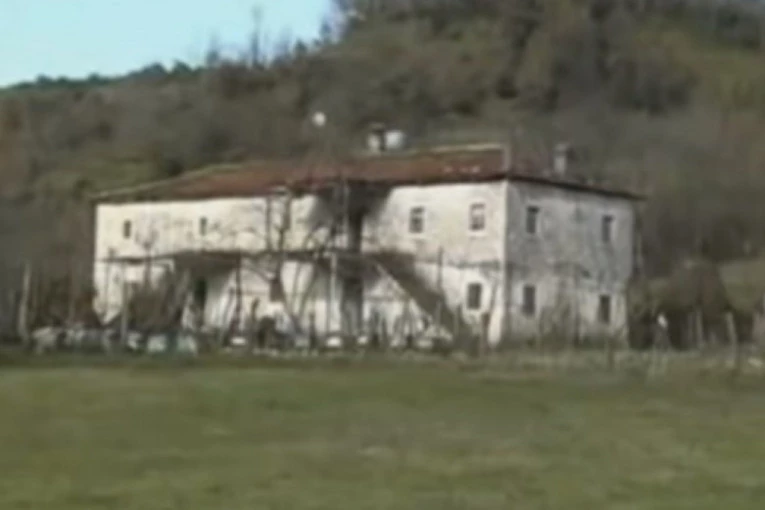
The event associated with the "Yellow House" represents one of the most severe and controversial episodes from the period following the end of the Kosovo and Metohija War in 1999. Essentially, it concerns allegations of organized human organ trafficking, with the victims being primarily kidnapped Serbs and other non-Albanians from Kosovo, as well as some disloyal Albanians, who were transferred to secret detention centers in northern Albania.
Background and Allegations
The case first gained international attention thanks to former chief prosecutor of the Hague Tribunal, Carla del Ponte, who in her 2008 book The Hunt: Me and the War Criminals expressed suspicions that hundreds of kidnapped civilians, who went missing during 1999–2000, were transferred from Kosovo to Albania, where their organs were allegedly removed for sale on the international black market.
Read more: Testimony of the crime: "Yellow House" and allegations of human organ trafficking
- Details
- Written by: УМ
- Parent Category: Virovitica-Podravina County
- Category: Virovitica
- Hits: 110
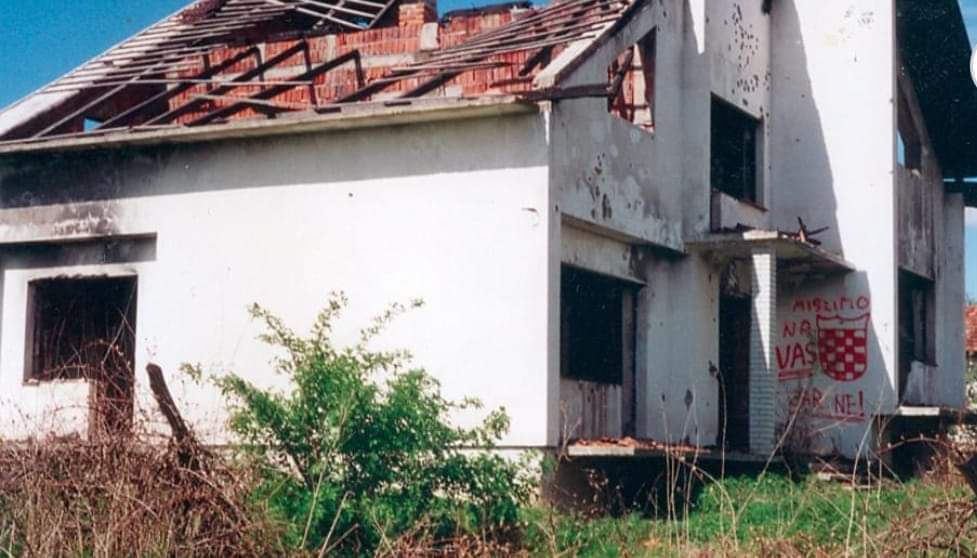 At the end of 1991, in the area of Western Slavonia, some of the most tragic events of the Croatian War took place. The military operation known as “Orkan ’91” aimed at achieving military victories over the Yugoslav People’s Army and the Serbian Territorial Defense, but it also led to the systematic persecution of the Serbian population in the Virovitica region. According to numerous reports and historical analyses, more than twenty villages were subjected to ethnic cleansing, and thousands of Serbs were forced to leave their homes, often under threat or direct violence. These events represent an important and painful chapter in the region’s history, highlighting the complexity of the conflict and the profound consequences that war leaves on the local population.
Read more: "Ethnic cleansing of Serbs from Virovitica during 'Orkan'
- Details
- Written by: УМ
- Parent Category: Bulgaria
- Category: Sliven
- Hits: 145
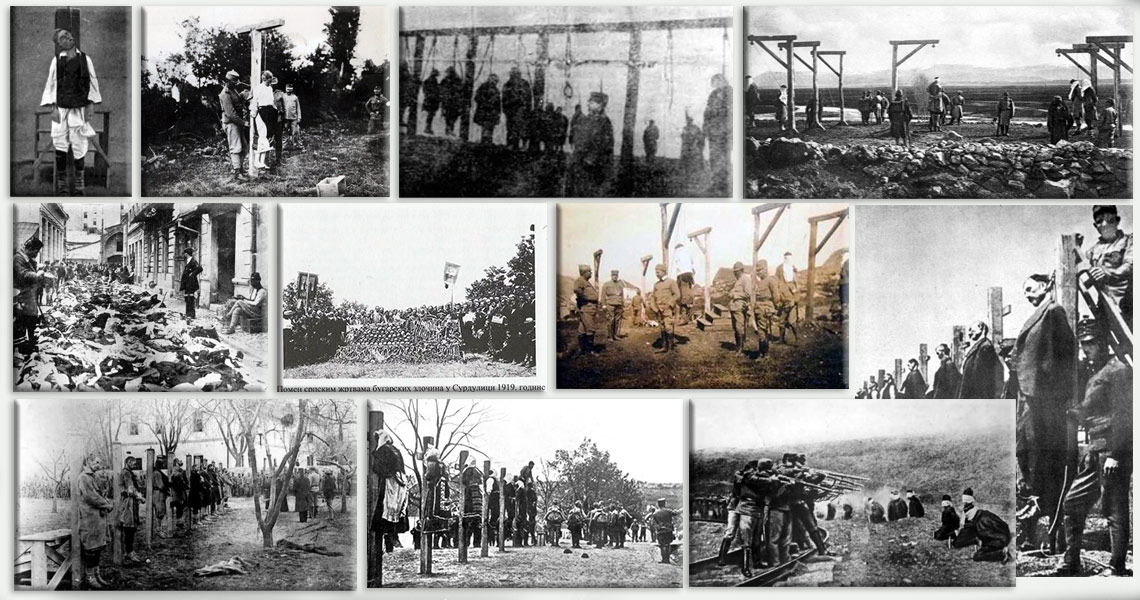
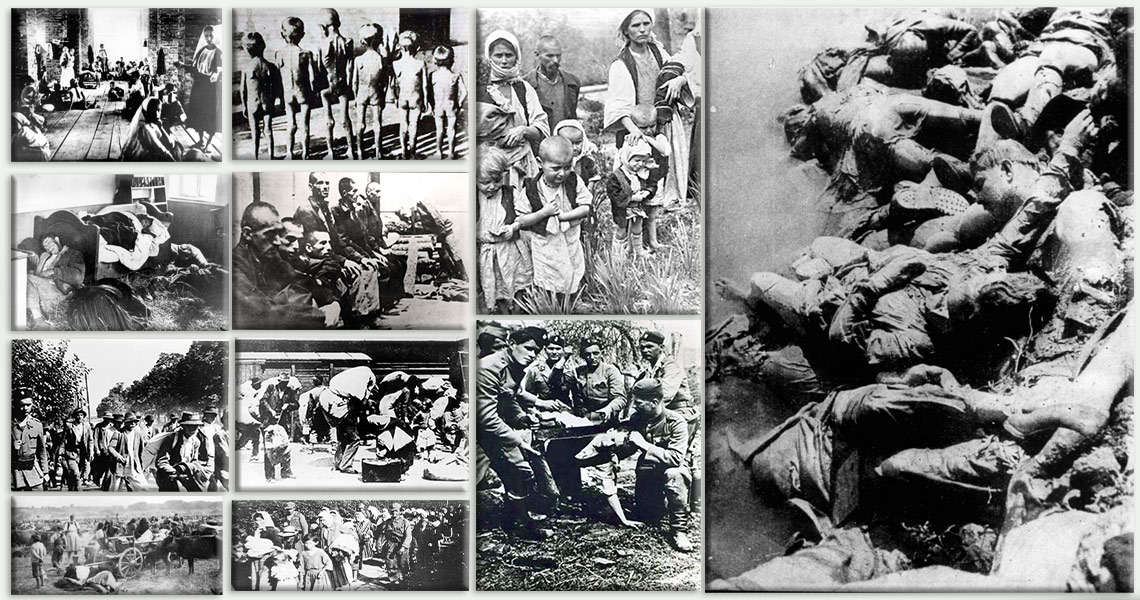
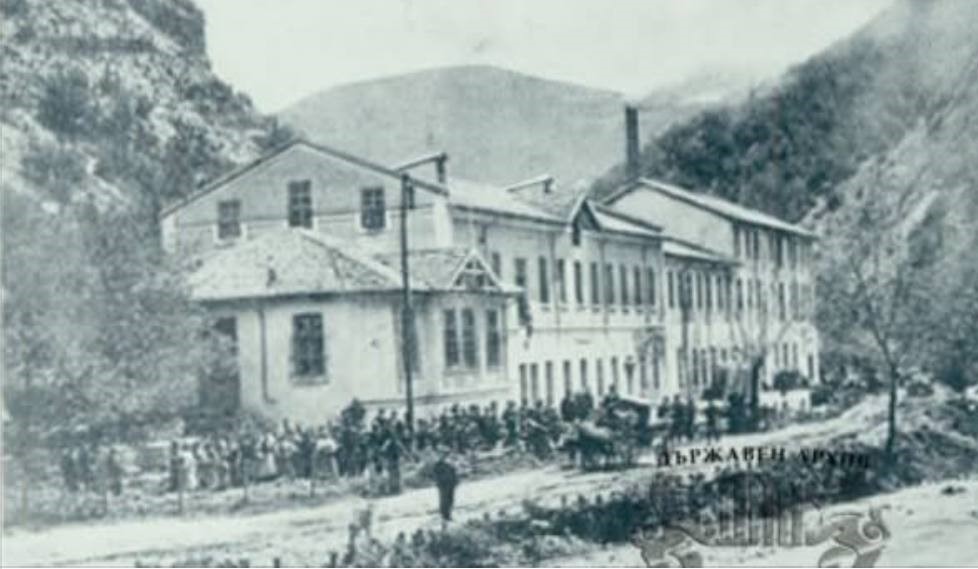 The Sliven concentration camp, established in 1915 in Bulgaria, was one of the harshest camps for Serbian prisoners of war and civilians during the First World War. Tens of thousands of Serbs, forcibly taken from occupied territories, passed through this camp. Due to extremely poor conditions, disease, and hunger, the mortality rate was exceptionally high, making the camp one of the most dreadful places of suffering for the Serbian people during that period.
- Details
- Written by: УМ
- Parent Category: Kordun
- Category: Klupice
- Hits: 131
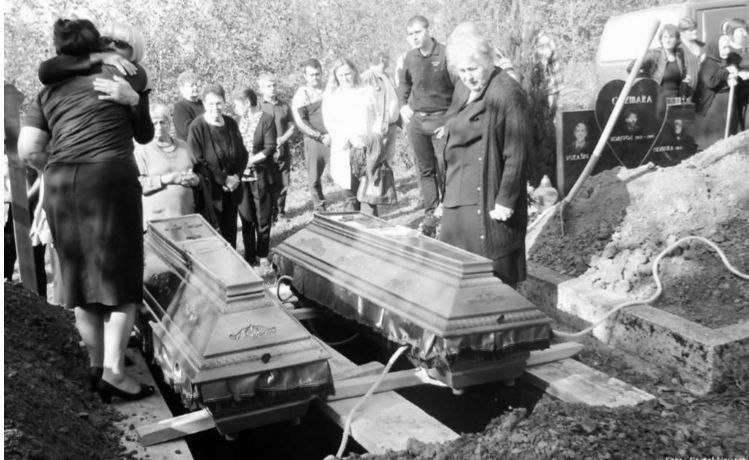 The village of Klupice, in the municipality of Vojnić in the area of historic Kordun in Croatia, was the site of tragic events during the 1991–1995 war. During Operation “Storm,” 24 Serbian civilians who had not left the village were killed, 23 of whom were buried immediately, while one victim was identified later. This massacre is part of the broader suffering of Serbs in Kordun and stands as a symbol of the war’s impact on local communities.
Read more: War crime in Klupice – civilians killed during Operation “Storm”
- Details
- Written by: УМ
- Parent Category: Croatia
- Category: Šibenik
- Hits: 185
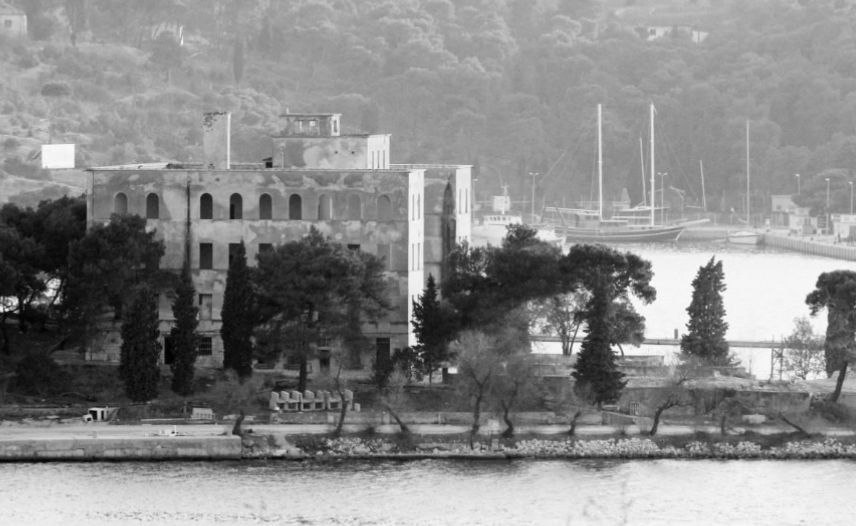
One of the also notorious Croatian camps for Serbs during the last war, about which the media remain silent, is the Kuline camp in Šibenik, which, in terms of methods of torture and brutal killings, was no different from the Lora camp in Split. People sent to the Kuline camp were mostly local Serbs from the areas of Šibenik, Drniš, and Benkovac, including both men and women equally.
In Kuline, Serbs were killed by having their heads smashed against walls, subjected to electric shocks, and having their throats pierced with metal rods. One of the specific atrocities of this camp was the method of raping Serbian women using specially trained dogs. Serbian woman Marija Klisurić from the village of Miljevci near Drniš, after being raped by dogs, committed suicide.
Read more: Kuline – a camp of suffering for the Serbian people during the Homeland War
- The Croatian camp “Lora” in Split, where Serbs were tortured, killed, and thrown into the sea
- Glushci 1944: Messages of Hate at the Site of Innocent Victims
- Jasenovac Camp (Jasenovac Concentration Camp)
- The Martyr’s Death of Father Chariton
- The impalement of Đorđe Martinović
- The Suffering of the Kostić Family from Retimlje
- The Abduction of Miners from the Belaćevac Pit – The First Mass Kidnapping of Serbs in Kosovo and Metohija
Subcategories
Locations of crimes Article Count: 27
Places of crimes against the Serbian people. Current states, cities, settlements, villages, towns, regions, etc.
Bosnia and Herzegovina Article Count: 1
Bosnia and Herzegovina (abbreviated BiH), informally Bosnia, a country in Southeastern Europe which is located on the Balkan Peninsula. It borders Serbia to the east, Montenegroin the southeast and Croatia in the north and southwest. In the south, it has access to the Adriatic Sea. The northern and larger part of the country is occupied by the region of Bosnia, and the southern and smaller part by the region of Herzegovina. The capital and largest city is Sarajevo. The place of crimes against Serbs.
Federation of Bosnia and Herzegovina Article Count: 1
The Federation of Bosnia and Herzegovina is one of the two entities in Bosnia and Herzegovina, in addition to the Republika Srpska. It occupies about 51% of the territory of Bosnia and Herzegovina. It was founded on March 18, 1994, with the signing of the Washington Agreement, which ended the Muslim-Croat conflict. The capital is Sarajevo, along with Mostar, where the headquarters of four federal ministries are located. With the latest constitutional changes, the Serbs also became a constituent nation of the Federation, so that currently there is a declarative constitution of all three nations in the entire territory of the Federation. The place of crimes against Serbs.
Zenica Article Count: 1
Zenica - a city, the administrative and economic center of the Zenica-Doboj canton and the local self-government unit of the same name in the Federation of BiH (Bosnia and Herzegovina). It is located in the valley of the Bosna River, about 70 km northwest of Sarajevo. The city is known for its ironworks and other heavy industry, but also as an important university center. The place of crimes against Serbs.
Montenegro Article Count: 1
Montenegro is a country in Southeast Europe, located on the Balkan Peninsula. It borders Bosnia and Herzegovina in the northwest, Serbia in the east, Albania in the southeast and Croatia in the west, while in the southwest it has a coast along the Adriatic Sea. The place of crimes against Serbs.
Plav Article Count: 1
Plav is a city and seat of the municipality of the same name in the east of Montenegro. According to the 2023 census, there were 4,121 inhabitants. It is located at the foot of the Prokletije mountain massif, on the river Lim. The place of crimes against Serbs.
Croatia Article Count: 7
Croatia, officially the Republic of Croatia, is a country in Central and Southeastern Europe, on the coast of the Adriatic Sea. It borders Slovenia in the northwest, Hungary in the northeast, Serbia in the east, Bosnia and Herzegovina and Montenegro in the southeast, and Italy in the west. Place of crime against Serbs!
Zagreb Article Count: 2
Zagreb is the capital and largest city of Croatia. It is located in the north of the country, along the Sava river, on the southern slopes of the Medvednica mountain. Zagreb is located near the international border between Croatia and Slovenia. Place of crime against Serbs!
Split Article Count: 1
Split in older texts also written as Spalato or Splet — is the second-largest city in Croatia and the administrative center of Split-Dalmatia County. According to the 2021 census, it had 149,830 inhabitants. As the largest city in Dalmatia and an important historical and cultural center of Croatia, it has been included on the UNESCO World Heritage List.
Šibenik Article Count: 1
Šibenik is a city in Croatia and the administrative center of Šibenik-Knin County. According to the 2021 census, the city had a population of 42,599, while the settlement itself had 31,115 inhabitants. It is located in central Dalmatia, at the mouth of the Krka River into the Adriatic Sea.
Kordun Article Count: 1
Kordun (Croatian: Kordun) is a geographical and historical region that covers the area between Petrova Gora and the Mrežnica River in present-day Croatia. Between 1990 and 1995, Kordun was part of the SAO Krajina and the Republic of Serbian Krajina.
Klupice Article Count: 1
The village of Klupice is located in the Vojnić municipality, in the historical and geographical region of Kordun in Croatia, between Petrova Gora and the Mrežnica River. Before the war of 1991–1995, the village had a predominantly Serbian population and was part of the broader Kordun region, an area with a rich history and significance in the context of the Serbian community in Croatia.
Virovitica-Podravina County Article Count: 1
Virovitica-Podravina County is located in northern Croatia. It is situated in the Podravina region in northern Slavonia, with its administrative center in Virovitica. It borders Požega-Slavonia County to the south, Koprivnica-Križevci County and Bjelovar-Bilogora County to the west, and Osijek-Baranja County to the east. According to preliminary results of the 2021 census, the county had a population of 70,660.
Virovitica Article Count: 1
Virovitica is a city in Croatia and the administrative center of Virovitica-Podravina County. According to the 2011 census, the city had a population of 21,291, while the urban settlement itself had 14,688 inhabitants.
Zupanja Article Count: 1
Županja is a town in Croatia, in the Vukovar-Srijem County. According to the 2021 census, the town had a population of 9,153. The town includes only one settlement of the same name. It is located in western Syrmia (Srem), 24 km southwest of the city of Vinkovci. The Zagreb–Slavonski Brod–Belgrade highway passes north of the town.The town is also located near the Sava River, which forms the border between Croatia and Bosnia and Herzegovina. According to the 2001 census, the town had a population of 16,383. The current mayor of the town is Davor Miličević. Županja was first mentioned in 1554. It received the status of a town in 1991.
North Macedonia Article Count: 2
North Macedonia, officially the Republic of North Macedonia (formerly SR Macedonia and Old Serbia), is a country in Southeastern Europe. It borders Greece to the south, Albania to the west, Bulgaria to the east and Serbia to the north. It occupies approximately one third of the territory of the larger geographical region of Macedonia. The capital and largest city is Skopje.
Kumanovo Article Count: 1
Kumanovo is the second largest city in North Macedonia, after Skopje. It is the seat of the municipality of the same name, as well as the main urban settlement of the Northeast Statistical Area within the state. It is located in the northeastern part of North Macedonia at an altitude of 333 m.
Greece Article Count: 1
Greece, officially the Republic of Greece, is a country in Southeastern Europe. It is located in the Balkans, between the Aegean Sea to the east, the Ionian Sea to the west and the Mediterranean Sea to the south. It borders Albania to the northwest, North Macedonia and Bulgaria to the north, and Turkey to the northeast. Place of crime against Serbs!
Serbia Article Count: 13
Serbia, officially the Republic of Serbia, is a country in Central and Southeastern Europe. It occupies most of the Balkan Peninsula and a smaller part of the Pannonian Plain. It borders Hungary to the north, Romania to the northeast, Bulgaria to the east, North Macedonia to the south, Albania and Montenegro to the southwest, and Bosnia and Herzegovina and Croatia to the west. It has a population of about eight million. The capital and largest city is Belgrade, which is among the oldest and largest cities in Southeastern Europe. The official language is Serbian, and the official currency is the Serbian dinar.
Kosovo and Metohija Article Count: 12
Косово и Метохија — скраћено КиМ, званично Аутономна Покрајина Косово и Метохија — АПКиМ, понекад кратко Косово, или Космет (од Косово и Метохија), је аутономна покрајина у саставу Србије. Налази се у средишту Балканског полуострва, а чине је области Косово и Метохија. Граничи се на југоистоку са Северном Македонијом, на југозападу са Албанијом и на западу са Црном Гором. Према попису из 2024. било је 1.586.659 становника. Службени језици су српски и албански, а седиште администрације се налази у Приштини.
Gjakova Article Count: 1
Đakovica is an urban settlement and the seat of the municipality of the same name in Serbia, located in the southwestern part of Kosovo and Metohija and belonging to the Peć Administrative District. According to the 2024 census, there were 41,809 inhabitants. It is located in the west of Metohija, between Peć and Prizren, while it is about 100 km from the Adriatic Sea coast.
Lipljan Article Count: 2
Lipljan is an urban settlement and the administrative center of the municipality of the same name in Serbia, located in the central part of Kosovo and Metohija, and it belongs to the Kosovo administrative district. According to the 2024 census, it had 13,092 inhabitants. It is situated 16 km south of Priština, at the confluence of the Janjevka River with the Sitnica River, and lies on the main route connecting Priština with Skopje and Prizren.
Lipljan in Kosovo and Metohija a site of suffering for Serbs
Peć Article Count: 1
Peć is an urban settlement and the administrative center of the municipality of the same name in Serbia, located in the western part of Kosovo and Metohija. It belongs to the Peć administrative district. According to the 2024 census, it had 41,171 inhabitants.
The town is situated on the Peć Bistrica River, a tributary of the White Drin, near the Prokletije mountains to the east. The Rugova Gorge, one of the longest and deepest gorges in Europe, is located about three kilometers from the city of Peć.
The city is 250 km north of Tirana, 150 km northwest of Skopje, and 280 km from Podgorica.
In the Middle Ages, the city was the seat of the Serbian Orthodox Church from the 13th century. The Peć Patriarchate Monastery is part of UNESCO's World Heritage site of Medieval Monuments in Kosovo
Camps Article Count: 1
Camps in which Serbs suffered
First world war Article Count: 0
Camps in the First World War where Serbs suffered
Kosovo Field Article Count: 1
The Municipality of Kosovo Polje is a municipality in the Republic of Serbia, located in the Autonomous Province of Kosovo and Metohija, and is part of the Kosovo Administrative District.
The municipality covers an area of 89 km².
This municipality, together with the municipalities of Obilić and Novo Brdo, was established on July 2, 1988, from settlements that were previously part of the then Municipality of Priština (Official Gazette of the SAP of Kosovo, no. 18/88).
Orahovac Article Count: 1
Orahovac is an urban settlement and the administrative center of the municipality of the same name in Serbia, located in the southwestern part of Kosovo and Metohija, and belonging to the Prizren Administrative District. According to the 2024 census, it had a population of 13,642.
The settlement's territory lies within the cadastral municipality of Orahovac, covering an area of 4,894 hectares.
Gnjilane Article Count: 1
Gjilan (Albanian: Gjilan or Gjilani) is an urban settlement and the administrative center of the municipality of the same name in Serbia, located in the southeastern part of Kosovo and Metohija. It is the seat of the Kosovo Pomoravlje administrative district. According to the 2024 census, it had a population of 53,279. Gjilan is situated in the Kosovo Pomoravlje region and is connected to Pristina, Uroševac, Kosovo Kamenica, Preševo, and Bujanovac.
Prizren Article Count: 1
Prizren is an urban settlement and the administrative center of the municipality of the same name in Serbia, located in the southern part of Kosovo and Metohija, and belongs to the Prizren administrative district. According to the 2024 census, it had 76,850 inhabitants. It is one of the most important cities of the medieval Serbian state and cultural heritage of Serbia. The city is situated at the foothills of the Šar Mountains, near the borders with Albania and North Macedonia.
Ribe Article Count: 1
The village of Ribe (Ribe) is a small, remote mountain settlement located in the Mat district in northern Albania, not far from the town of Burrel. This village gained international, and extremely tragic, notoriety after the Kosovo war in 1999, as it was allegedly the site of the so-called "Yellow House."
Srbica Article Count: 1
Srbica is a populated settlement and the seat of the municipality of the same name in Serbia, located in the central part of Kosovo and Metohija, and it belongs to the Kosovska Mitrovica administrative district. According to the 2024 census, it had 9,451 inhabitants.
Pristina Article Count: 1
Pristina is an urban settlement and the seat of the territorial unit of the same name in Serbia. It is the administrative center of Kosovo and Metohija and the Kosovo Administrative District. According to the 2024 census, it had 143,469 inhabitants, making it the fifth-largest settlement in Serbia by population. It is located in the immediate vicinity of Mount Goljak, in the northeastern part of Kosovo.
Bogatić Article Count: 1
Bogatić is a settlement in Serbia and the administrative center of the municipality of the same name in the Mačva District. It is located 98 km west of Belgrade. According to the 2022 census, it had a population of 5,569. The inhabitants of Bogatić are called Bogatinci.
Glušac Article Count: 1
Glušci is a village in Serbia, located in the municipality of Bogatić, in the Mačva District. According to the 2022 census, it had a population of 1,635. To the west, it borders Bogatić and Radenković; to the north, Noćaj; to the east, Uzveće; and to the south, Mačvanski Metković. Glušci are connected by paved roads to Mačvanska Mitrovica, Šabac, and Bogatić.
Bulgaria Article Count: 1
The Republic of Bulgaria is a country in Southeastern Europe. It borders Romania to the north, Serbia and North Macedonia to the west, Greece and Turkey to the south, and the Black Sea to the east. With a territory of 110,994 km2, Bulgaria is the 16th largest European country. According to the 2022 estimate of the National Institute of Statistics, the Republic of Bulgaria has a population of 6,447,710.
Sliven Article Count: 1
Sliven is a city in the Republic of Bulgaria, in the central part of the country. The city is also the seat of the eponymous Sliven region. The town of Sliven was once known to the Bulgarian people as the center of the Hajduchy during the Ottoman rule, so it was nicknamed the "City of 100 Dukes".