



Croatia
Croatia, officially the Republic of Croatia, is a country in Central and Southeastern Europe, on the coast of the Adriatic Sea. It borders Slovenia in the northwest, Hungary in the northeast, Serbia in the east, Bosnia and Herzegovina and Montenegro in the southeast, and Italy in the west. Place of crime against Serbs!
- Details
- Written by: SH
- Parent Category: Croatia
- Category: Zagreb
- Hits: 688
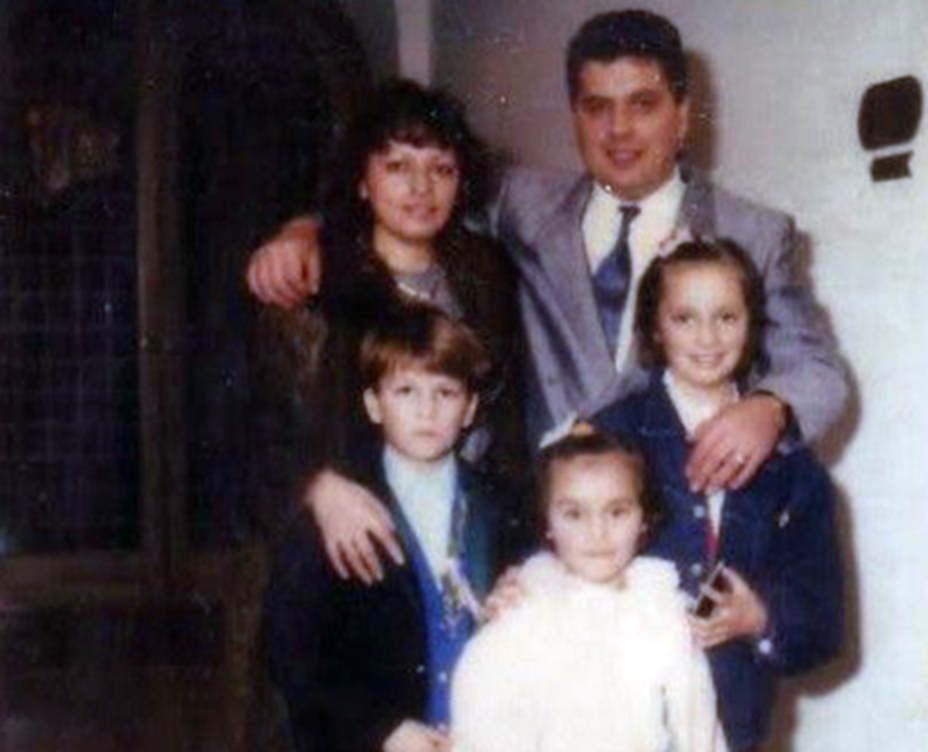
Aleksandra Zec was the daughter of Zagreb butcher Mihajlo Zec, and probably a completely ordinary twelve-year-old girl who would not have deserved to be written about in any way - if she had not been brutally murdered.
At around 11 p.m. on December 7, 1991, Sinisa Rimac, Munib Suljic, Igor Mikola, Nebojsa Hodak and Suzana Zivanovic (members of Mercep's unit) broke into her home at Poljanicka Street 22 in Zagreb's Tresnjevka neighborhood with the intention of arresting Mihajlo Zec for his alleged connections with the rebellious Krajina Serbs. He somehow managed to run out into the street and tried to escape, but was shot by Sinisa Rimac from a distance of about thirty meters.[1]
After that, they tied up 12-year-old Aleksandra and her mother Marija, put them in a van (without license plates) and drove to the Adolfovac mountain lodge on Sljeme, where they killed Aleksandra and her mother and threw them into a garbage pit.
A later investigation revealed that Sinisa Rimac, who had previously killed her father, had asked that Aleksandar not be killed, but that everyone else was against it because she had seen them. She acted in cold blood (with her hands and feet tied) was killed by Munib Suljić with a Heckler automatic rifle, shooting her in the back of the head. [1] Her sister Gordana and brother Dušan managed to survive because they hid in the house and thus escaped the killers.
Read more: We Have Not Forgotten: The Suffering of the Zec Family in Zagreb
- Details
- Written by: SH
- Parent Category: Croatia
- Category: Zagreb
- Hits: 234
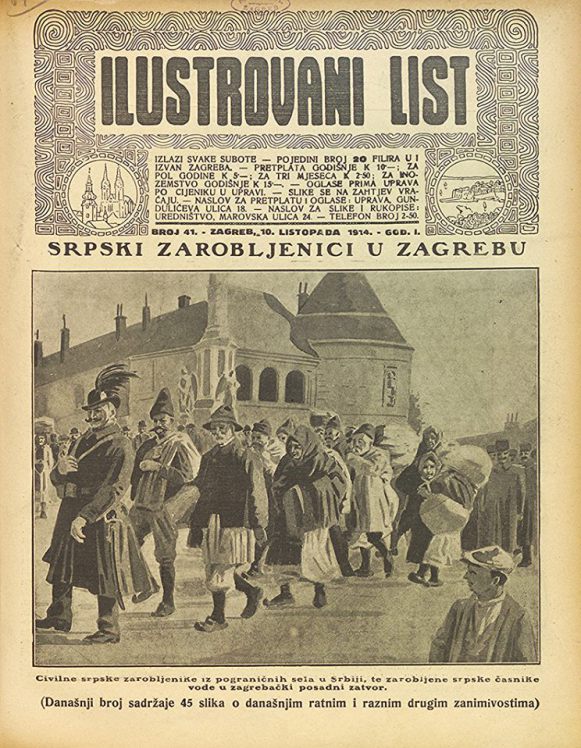 "Illustrated Sheet" was a Croatian illustrated newspaper published during the First World War, reporting on war-related events and publishing photo reports. The newspaper was issued on Saturdays from January 1914 until December 1918, when it changed its name to "Osvit". In issue number 41, dated October 10, 1914, Illustrated Sheet featured on the front page a picture of Serbian prisoners in Zagreb, and inside, a story about them, which we present here in full.
SERBIAN PRISONERS IN ZAGREB
Increasingly, groups of captured Serbian wretches are seen in Zagreb, driven under bayonet to their destinations — naturally, to prison. These are mostly women, elderly people, and children, driven from the border so they won’t hinder the army in its operations. Such transports can number up to 50 heads.
It is understood that in Zagreb, every such prisoner, especially if wearing loose trousers and a sheepskin hat, is considered a komita (rebel), and the public is greatly disappointed by the appearance of these so-called komitas. These people look so miserable that they evoke sympathy rather than anger.
It should be known that real Serbian komitas, caught in the act, are executed on the spot by shooting; therefore, everyone who can escape flees from the army, and those who remain are sent to a secure place.
(Photo: Civil Serbian prisoners from border villages in Serbia and captured Serbian officers being led to the Zagreb garrison prison)
- Details
- Written by: УМ
- Parent Category: Croatia
- Category: Split
- Hits: 292
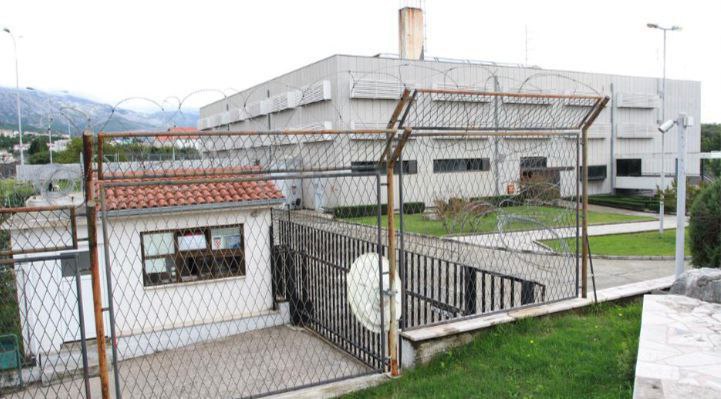 The Lora camp was a military investigation prison in Split, which during the war in Croatia (1991–1997) became known as a place where Serbs — both prisoners of war and civilians — were illegally detained, tortured, and killed. Numerous witnesses spoke of severe abuse, torture, and murders inside the camp. Several officers and soldiers of the Croatian Army were later convicted by Croatian courts for war crimes committed in Lora.
- Details
- Written by: УМ
- Parent Category: Croatia
- Category: Šibenik
- Hits: 322
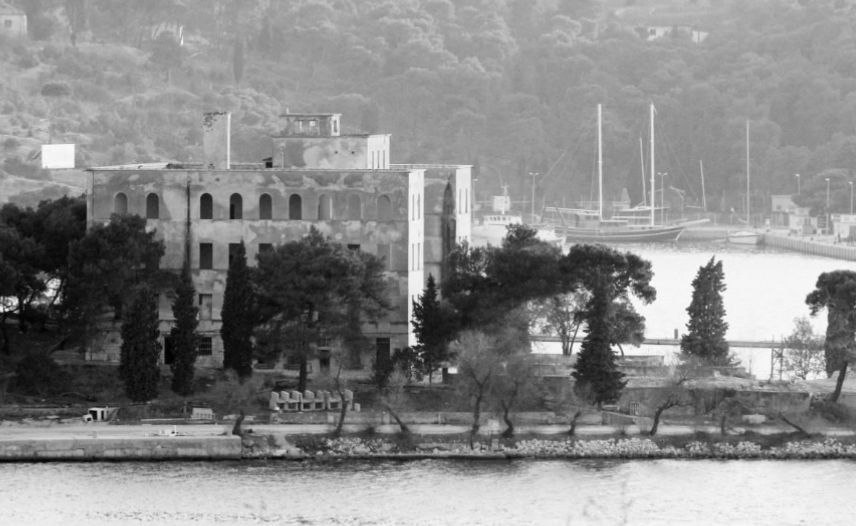
One of the also notorious Croatian camps for Serbs during the last war, about which the media remain silent, is the Kuline camp in Šibenik, which, in terms of methods of torture and brutal killings, was no different from the Lora camp in Split. People sent to the Kuline camp were mostly local Serbs from the areas of Šibenik, Drniš, and Benkovac, including both men and women equally.
In Kuline, Serbs were killed by having their heads smashed against walls, subjected to electric shocks, and having their throats pierced with metal rods. One of the specific atrocities of this camp was the method of raping Serbian women using specially trained dogs. Serbian woman Marija Klisurić from the village of Miljevci near Drniš, after being raped by dogs, committed suicide.
Read more: Kuline – a camp of suffering for the Serbian people during the Homeland War
- Details
- Written by: УМ
- Parent Category: Kordun
- Category: Klupice
- Hits: 216
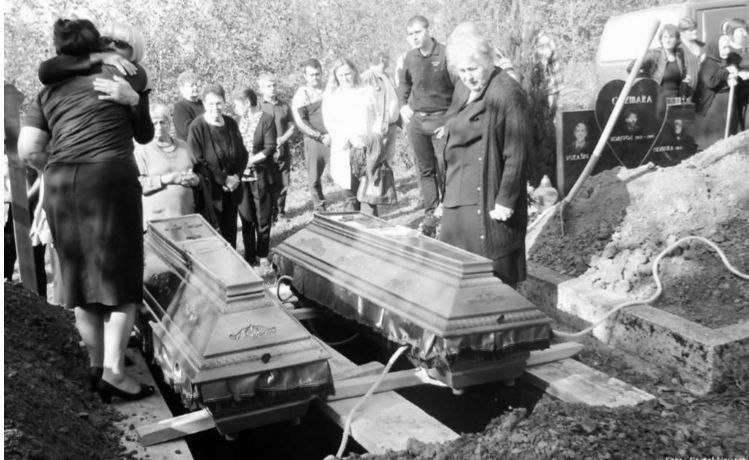 The village of Klupice, in the municipality of Vojnić in the area of historic Kordun in Croatia, was the site of tragic events during the 1991–1995 war. During Operation “Storm,” 24 Serbian civilians who had not left the village were killed, 23 of whom were buried immediately, while one victim was identified later. This massacre is part of the broader suffering of Serbs in Kordun and stands as a symbol of the war’s impact on local communities.
Read more: War crime in Klupice – civilians killed during Operation “Storm”
- Details
- Written by: УМ
- Parent Category: Virovitica-Podravina County
- Category: Virovitica
- Hits: 238
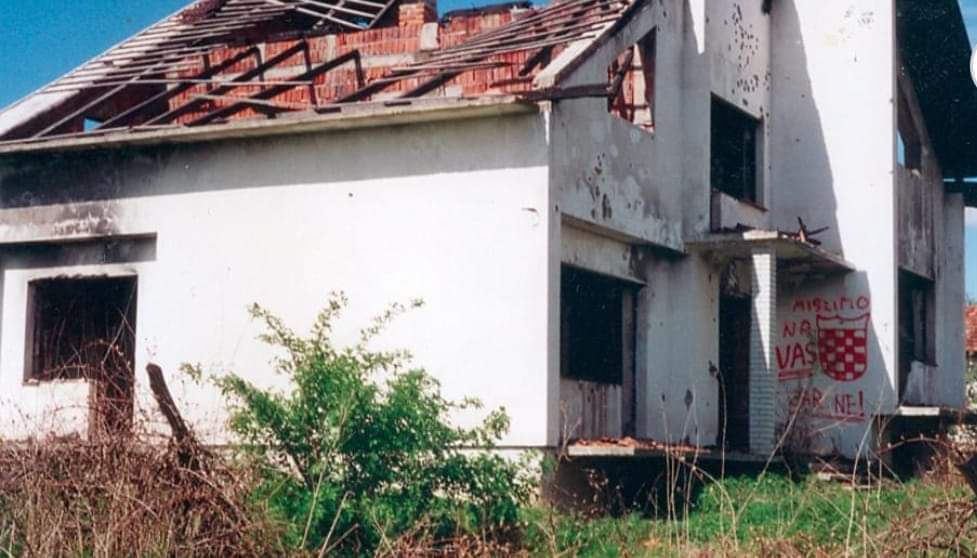 At the end of 1991, in the area of Western Slavonia, some of the most tragic events of the Croatian War took place. The military operation known as “Orkan ’91” aimed at achieving military victories over the Yugoslav People’s Army and the Serbian Territorial Defense, but it also led to the systematic persecution of the Serbian population in the Virovitica region. According to numerous reports and historical analyses, more than twenty villages were subjected to ethnic cleansing, and thousands of Serbs were forced to leave their homes, often under threat or direct violence. These events represent an important and painful chapter in the region’s history, highlighting the complexity of the conflict and the profound consequences that war leaves on the local population.
Read more: "Ethnic cleansing of Serbs from Virovitica during 'Orkan'
- Details
- Written by: УМ
- Parent Category: Croatia
- Category: Zupanja
- Hits: 135
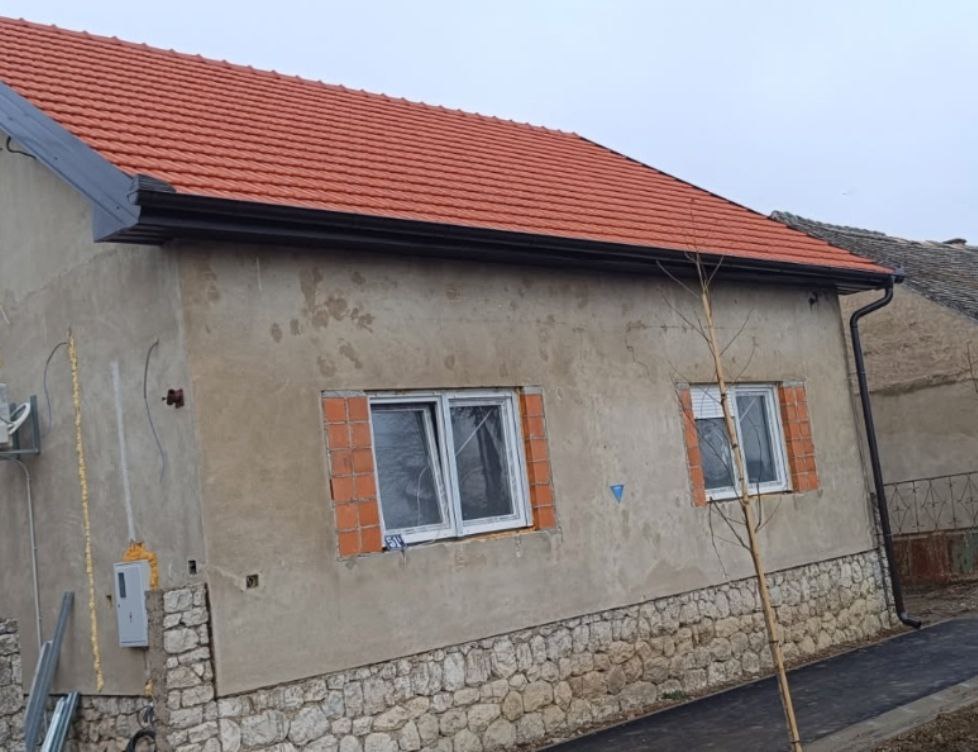
The murder of the Serbian Olujić family occurred on the night between February 17 and 18, 1992, in the village of Cerna near Županja in Croatia. Radomir Olujić (38), his wife Anica (37), and their minor children Milena (16) and Marko (13) were killed.
The murders were carried out by members of a sabotage-reconnaissance unit of the HOS, which was part of the Croatian Army (HV), commanded by Tomislav Mladi.
Read more: Anniversary of the Murder of the Serbian Olujić Family
Subcategories
Zagreb Article Count: 2
Zagreb is the capital and largest city of Croatia. It is located in the north of the country, along the Sava river, on the southern slopes of the Medvednica mountain. Zagreb is located near the international border between Croatia and Slovenia. Place of crime against Serbs!
Split Article Count: 1
Split in older texts also written as Spalato or Splet — is the second-largest city in Croatia and the administrative center of Split-Dalmatia County. According to the 2021 census, it had 149,830 inhabitants. As the largest city in Dalmatia and an important historical and cultural center of Croatia, it has been included on the UNESCO World Heritage List.
Šibenik Article Count: 1
Šibenik is a city in Croatia and the administrative center of Šibenik-Knin County. According to the 2021 census, the city had a population of 42,599, while the settlement itself had 31,115 inhabitants. It is located in central Dalmatia, at the mouth of the Krka River into the Adriatic Sea.
Kordun Article Count: 1
Kordun (Croatian: Kordun) is a geographical and historical region that covers the area between Petrova Gora and the Mrežnica River in present-day Croatia. Between 1990 and 1995, Kordun was part of the SAO Krajina and the Republic of Serbian Krajina.
Klupice Article Count: 1
The village of Klupice is located in the Vojnić municipality, in the historical and geographical region of Kordun in Croatia, between Petrova Gora and the Mrežnica River. Before the war of 1991–1995, the village had a predominantly Serbian population and was part of the broader Kordun region, an area with a rich history and significance in the context of the Serbian community in Croatia.
Virovitica-Podravina County Article Count: 1
Virovitica-Podravina County is located in northern Croatia. It is situated in the Podravina region in northern Slavonia, with its administrative center in Virovitica. It borders Požega-Slavonia County to the south, Koprivnica-Križevci County and Bjelovar-Bilogora County to the west, and Osijek-Baranja County to the east. According to preliminary results of the 2021 census, the county had a population of 70,660.
Virovitica Article Count: 1
Virovitica is a city in Croatia and the administrative center of Virovitica-Podravina County. According to the 2011 census, the city had a population of 21,291, while the urban settlement itself had 14,688 inhabitants.
Zupanja Article Count: 1
Županja is a town in Croatia, in the Vukovar-Srijem County. According to the 2021 census, the town had a population of 9,153. The town includes only one settlement of the same name. It is located in western Syrmia (Srem), 24 km southwest of the city of Vinkovci. The Zagreb–Slavonski Brod–Belgrade highway passes north of the town.The town is also located near the Sava River, which forms the border between Croatia and Bosnia and Herzegovina. According to the 2001 census, the town had a population of 16,383. The current mayor of the town is Davor Miličević. Županja was first mentioned in 1554. It received the status of a town in 1991.