



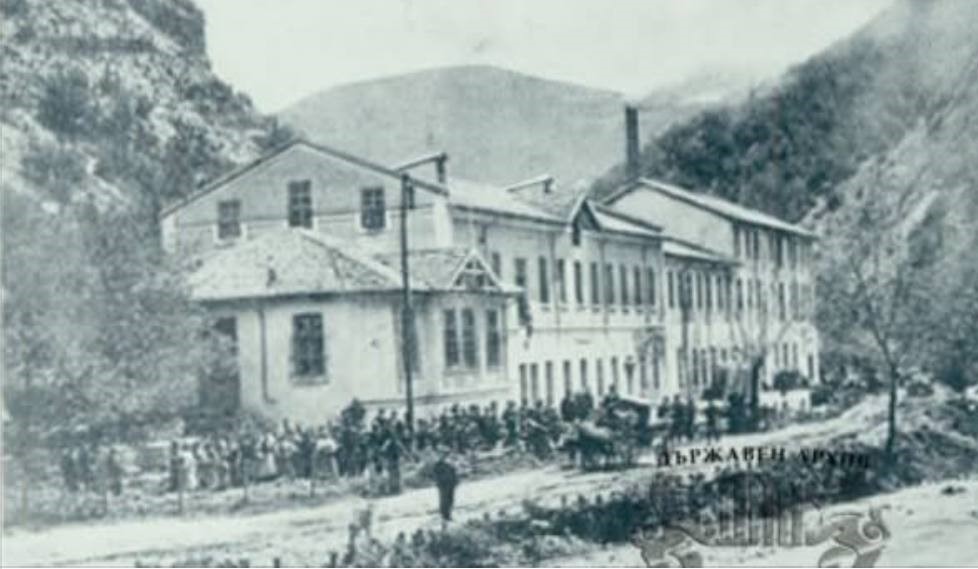
 The Sliven concentration camp, established in 1915 in Bulgaria, was one of the harshest camps for Serbian prisoners of war and civilians during the First World War. Tens of thousands of Serbs, forcibly taken from occupied territories, passed through this camp. Due to extremely poor conditions, disease, and hunger, the mortality rate was exceptionally high, making the camp one of the most dreadful places of suffering for the Serbian people during that period.
17 October 1915
The Sliven concentration camp was established in 1915 in the city of Sliven in Bulgaria, during the First World War. A significant number of Serbian prisoners of war and civilians passed through this camp, detained by the Bulgarian authorities after the occupation of parts of Serbia, especially in the Morava–Vardar region. According to some sources, the number of Serbs who passed through the camp is estimated in the tens of thousands, while other sources mention around 19,000 prisoners and at least 40,000 Serbs.
Conditions in the camp were extremely harsh — prisoners were housed in barracks without floors and beds, with poor hygiene, a lack of food, and clean water. Diseases such as typhus and other contagious illnesses spread rapidly among the inmates, and the high mortality rate made the camp known as one of the worst in Europe at the time. Some historians refer to it as "Hell on Earth" due to the difficult conditions and the high death rate, which, according to some estimates, exceeded 85%.
This camp was part of a wider network of Bulgarian camps for Serbian prisoners of war and civilians, of which there were at least 18 throughout Bulgaria during the war. All these camps left deep marks on the collective memory of the Serbian people, as places of suffering and massive loss of life.
Today, the memory of the suffering in the Sliven camp and other similar places is preserved through historical studies, memorials, and the testimonies of descendants and historians. Although estimates of the exact number of prisoners and the deceased vary, the tragedy this camp represented for the Serbian people during the First World War is indisputable.
Source: