



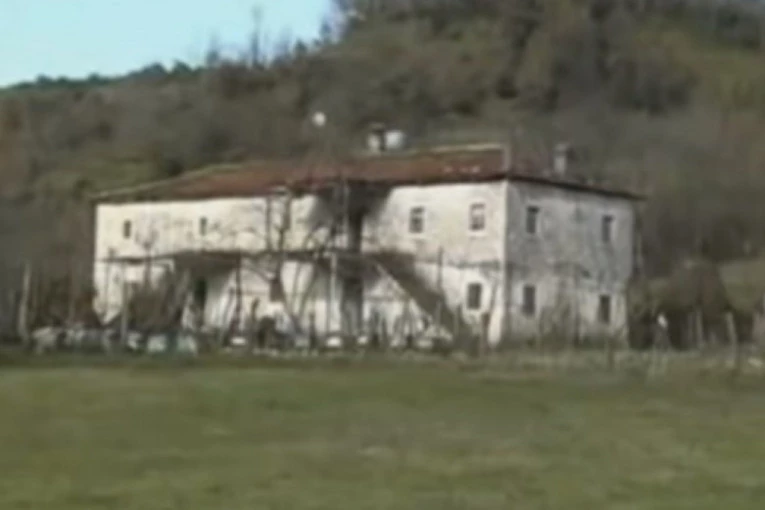
The event associated with the "Yellow House" represents one of the most severe and controversial episodes from the period following the end of the Kosovo and Metohija War in 1999. Essentially, it concerns allegations of organized human organ trafficking, with the victims being primarily kidnapped Serbs and other non-Albanians from Kosovo, as well as some disloyal Albanians, who were transferred to secret detention centers in northern Albania.
Background and Allegations
The case first gained international attention thanks to former chief prosecutor of the Hague Tribunal, Carla del Ponte, who in her 2008 book The Hunt: Me and the War Criminals expressed suspicions that hundreds of kidnapped civilians, who went missing during 1999–2000, were transferred from Kosovo to Albania, where their organs were allegedly removed for sale on the international black market.
The key location mentioned is the "Yellow House" – a modest rural house in the village of Ribe, near the town of Burrel in Albania. According to reports, this house served as a temporary detention center, where victims, held in inhumane conditions, underwent initial medical procedures and preparations before being killed for organ removal at other specialized locations.
Consequences and the Kosovo Specialist Chambers
Although the team led by American prosecutor Clint Williamson, who later took over the EULEX investigation, failed to find enough evidence to prosecute specifically for organ trafficking, Williamson confirmed in 2014 that there was evidence of numerous other war crimes committed by members of the OVK.
As a direct result of Marti’s report and subsequent investigations, the Kosovo Specialist Chambers (officially the Kosovo Specialist Chambers and Specialist Prosecutor’s Office) was established in 2015, with its seat in The Hague.
Purpose of the Court: The court was established to prosecute crimes against humanity and war crimes committed in Kosovo and Metohija between March 1998 and December 2000.
Defendants: The court has filed indictments against former OVK commanders and leaders, including Hashim Thaçi, Kadri Veseli, Jakup Krasniqi, and Rexhep Selimi, charging them with persecution, murder, torture, and enforced disappearances, some of which occurred in Kosovo and northern Albania.
Although the "Yellow House" itself has now been repainted white and its owners deny any involvement, its name has become a symbol of unresolved crimes and the need for justice for all victims of the conflict. Marti’s report remains the foundation for the work of the newly established court in The Hague.
Source: